

WHAT DO WE FOCUS ON?
The Analog Typologies Studio is dedicated to carrying out urban analysis, diagnosis, research, and consulting projects through an anthropological and participatory approach.
-
Through an intersection of quantitative data analysis, qualitative data analysis, and field research, a diagnosis is derived that makes it possible to clearly identify the challenges and opportunities in a given territory.
-
Urban projects have often been characterized by imposing top-down solutions. Through participatory design processes, it is possible to involve users in shaping new urban realities, ensuring greater success and ownership of the designs.
-
The Social Impact Assessment (SIA Certification by the Inter-American Development Bank) is the process of analyzing, monitoring, and managing the social consequences of an intervention, such as a program, project, plan, or policy. The SIA process should be reflected in decision-making at all stages of a project’s cycle, in order to maximize benefits and minimize the social cost of an intervention.
-
From an anthropological perspective; social, cultural, and symbolic dynamics in urban spaces are analyzed, providing a deep understanding of the context to optimize the design and implementation of urban projects.
-
Principles of equity and diversity are integrated into urban design to address the specific needs of different communities, taking into account aspects of gender, accessibility, ethnicity, and other factors.
-
We offer comprehensive guidance in the design and planning of urban projects, ensuring that each initiative is aligned with the social, environmental, and economic objectives of the local context.
-
We develop rigorous research to deepen the understanding of contemporary urban phenomena, providing key insights that inform policies, design practices, and urban development strategies.
-
Through an anthropological photographic approach, we document daily life, urban spaces, and cultures, generating images that capture the social complexity and richness of the territories studied.
PROJECTS
A Vision for the Reconstruction of Acapulco: Urban Strategy (2024)
Driven by the private sector, a philanthropist funded the analysis, diagnosis, and proposal for the reconstruction of Acapulco following the devastation caused by Hurricane Otis and Storm John. This ambitious project addresses the urban revitalization of Acapulco through four key pillars: Safety and well-being, water and health, mobility and transportation, and urban image.
With a|911, Taller Capital, C773 and MMX
Urban Manifesto for Feminist Cities (2024)
With a|911
Based on the urban experiences of women in Mexico City, a group of city-makers from various disciplines contributed their knowledge to create an urban manifesto that outlines the key points to consider when designing feminist and intersectional urban spaces, aiming to help design a city for everyone.
With a|911
Urban Strategy for La Libertad Este, El Salvador (2024)
In a region with high levels of inequality, the main challenge of the project was first to conduct an analysis and diagnosis of the imbalance in the distribution of infrastructure, facilities, and services across the territory. Thanks to this diagnosis and perception studies of local residents, a series of policies, projects, and strategies were developed to be implemented by the regional administration of La Libertad Este.
Ethnography: Remittance Architecture (2023)
Remittances are an important component of the Mexican economy, and their impact goes beyond financial and social aspects; remittances are transforming the built environment of Mexican towns.
"Remittance Architecture" was an ethnographic research project carried out in Visita Hermosa, Jalisco. The fieldwork, consisting of interviews, participant observation, and urban analysis, resulted in the publication of an ethnography titled Remittance Architecture: The Transformation of a Mexican Town.
Consulting for the PDDU in Los Cabos (2023)
With a|911
Urban development plans are a territorial planning tool that hold the potential to propose balanced and sustainable development. The mediation between the public and private sectors becomes a crucial role, where it is necessary to advocate that economic interests do not take precedence over the well-being of the people, and that the political agenda does not undermine the socio-economic development of a city. This delicate process of consultation and management among stakeholders is an example of democratic processes in city-building.
Bonjour tristesse and the gentrification in berlin (2022)
The Kreuzberg neighborhood has experienced an exodus of its longtime residents over the past two decades. What in the 1980s promised to be an area full of social housing built during the 1987 IBA has now become a series of sought-after architect-designed buildings where foreign artists and young bourgeois want to live.
The social housing building known as Bonjour Tristesse is no exception, where former residents (mostly families of Turkish descent and middle-class elderly Germans) struggle to remain in a building threatened with displacing them due to the high demand for the units designed by Álvaro Siza.
Manifiesto
petatista (2022)
With Isabel Palomar
Petatismo is a feminist urban resistance movement that involves using a petate (a woven mat) to reclaim public spaces that lack infrastructure for their use and enjoyment. Initiated by Isabel Palomar in the city of Guadalajara, the Petatista Manifesto project consisted of a series of urban actions and an exhibition of the project at the Casa Ceniza gallery in the Americana neighborhood.
Manual of Endemic Typologies:
south Baja California (2020)
With Menestral
The manual consisted of a detailed territorial study of the southern Baja California Peninsula to understand the impact of the natural, historical, and social context on the configuration of endemic typologies in the built environment.
Paseo Alcalde: A Linear Park (2018)
With Juan Palomar
By transforming Av. Alcalde-16 de Septiembre, one of the busiest streets in downtown Guadalajara, into a two-kilometer tree-lined promenade, an urban scar in the heart of the city was healed. Where thousands of cars once passed in front of decaying facades, now thousands of residents and visitors enjoy activities in the shade of the trees.
This transformation required meticulous social impact studies to understand the needs and desires of the residents of the surrounding neighborhoods, enabling the design of a multigenerational program that includes playful, accessible, walkable, and restful spaces.

Paseo Alcalde

Manifiesto Petatista

Estrategia para Acapulco

Bounjour Tristesse

Arquitectura de remesas

Paseo Alcalde

Estrategia urbana para La Libertad Este
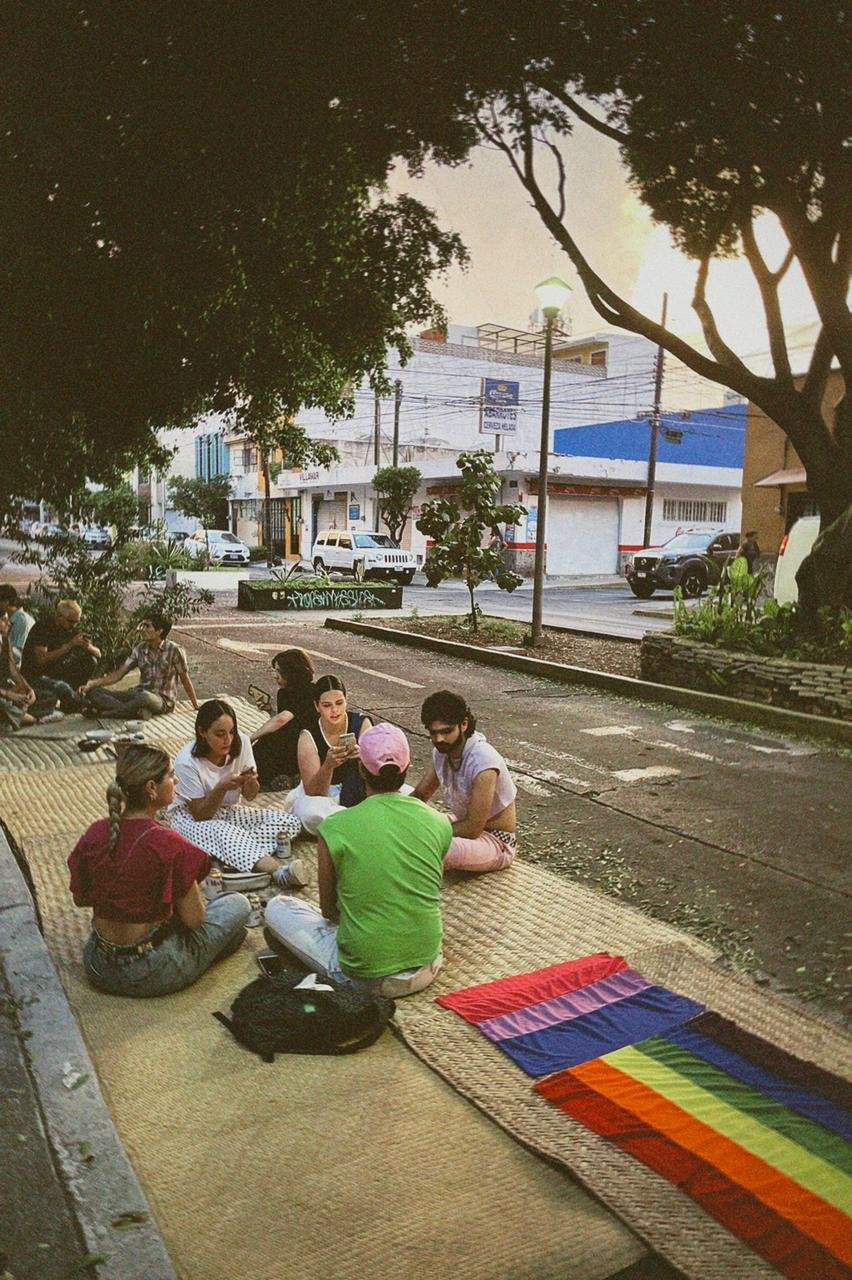
Manifiesto Petatista

Arquitectura de remesas
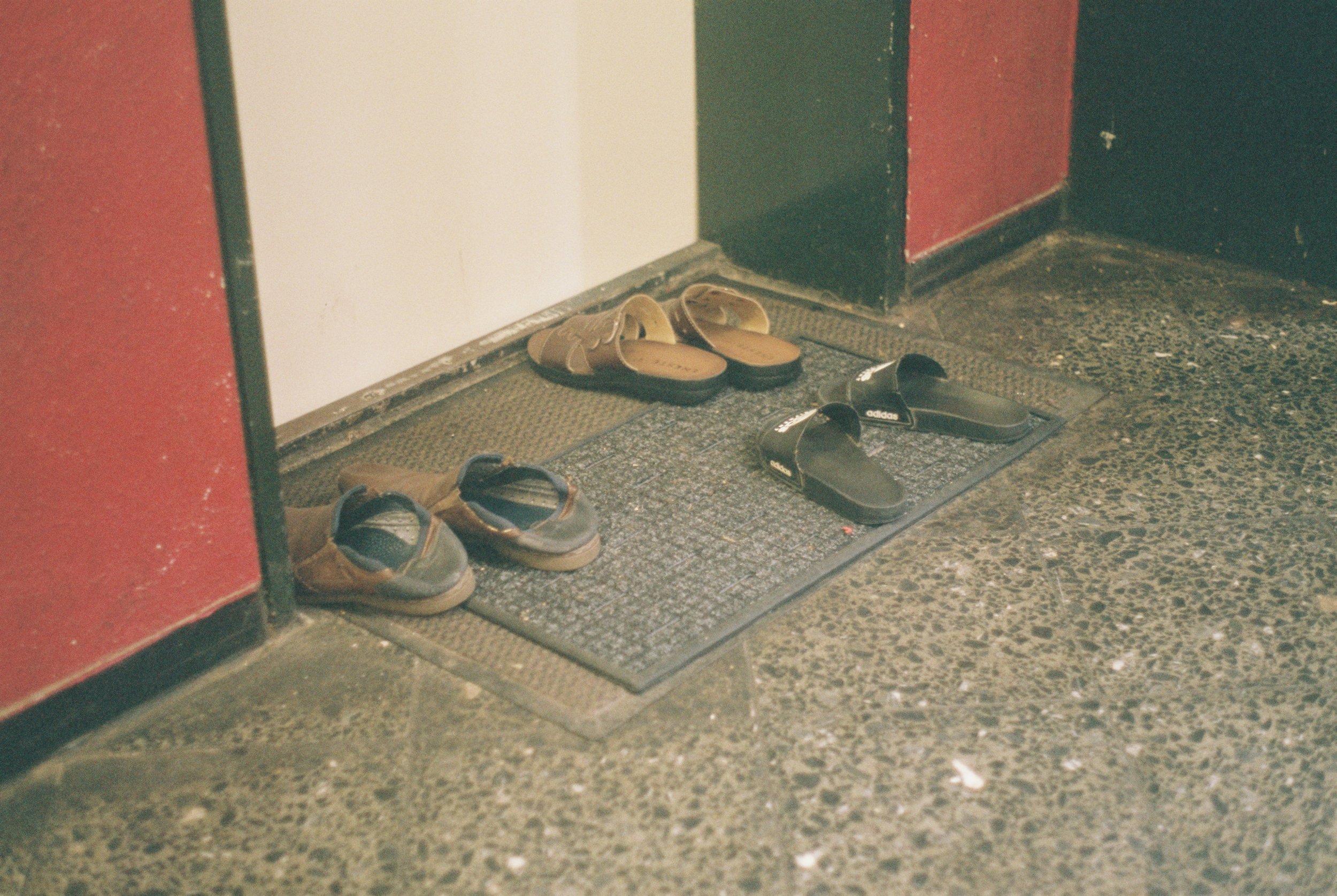
Bounjour Tristesse

Manifiesto urbano para ciudades feministas

Estrategia Aapulco

Arquitectura de remesas

Consultoría PDDU Los Cabos

Estrategia Aapulco